Top Products
-
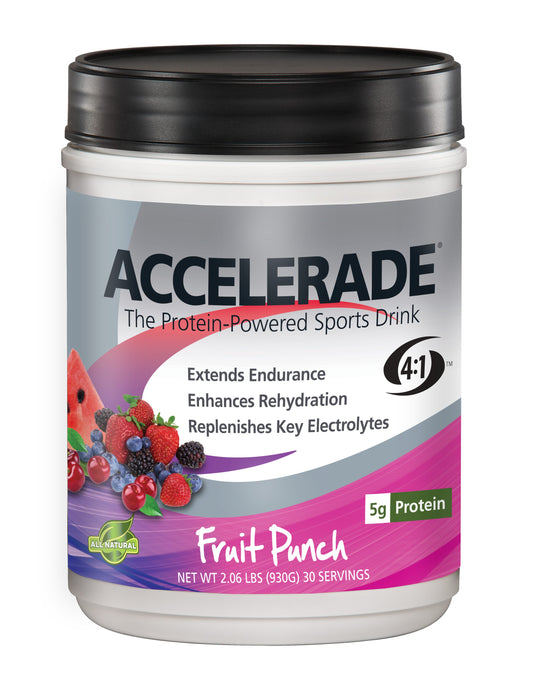
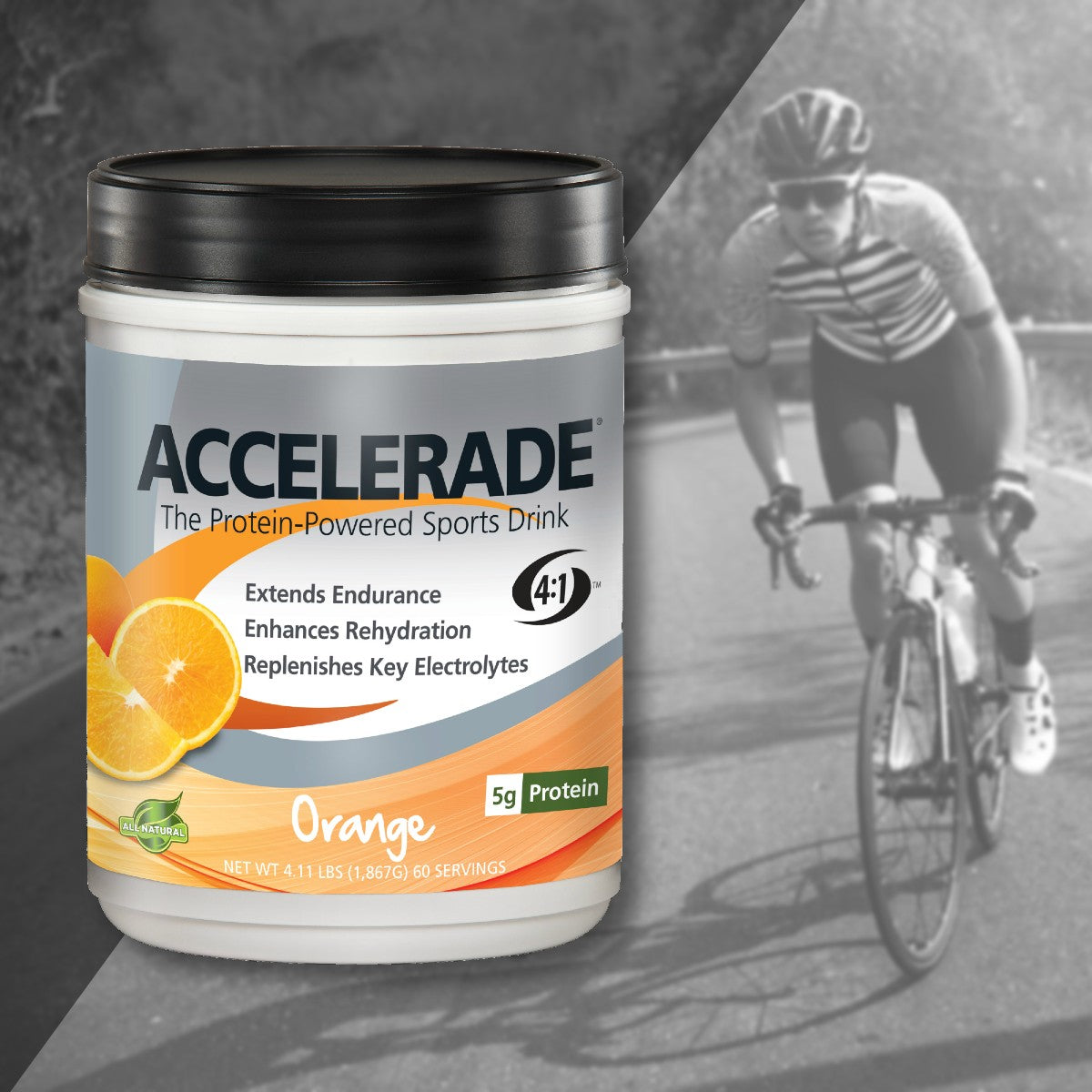
Accelerade ®
Regular price From $30.99Regular priceUnit price per -
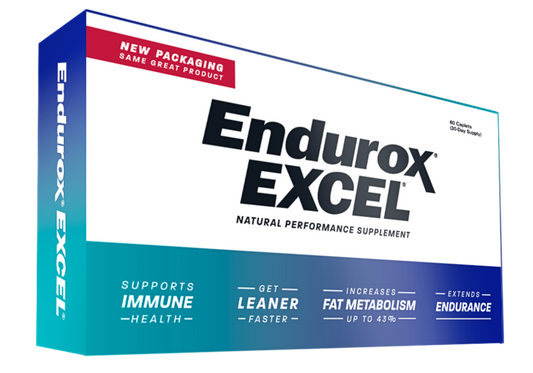
Endurox Excel ®
Regular price $22.99Regular priceUnit price per -
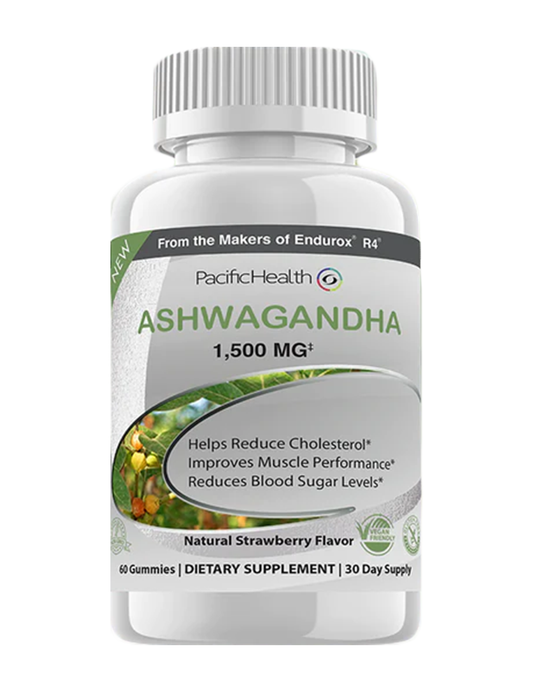 Sale
Sale -
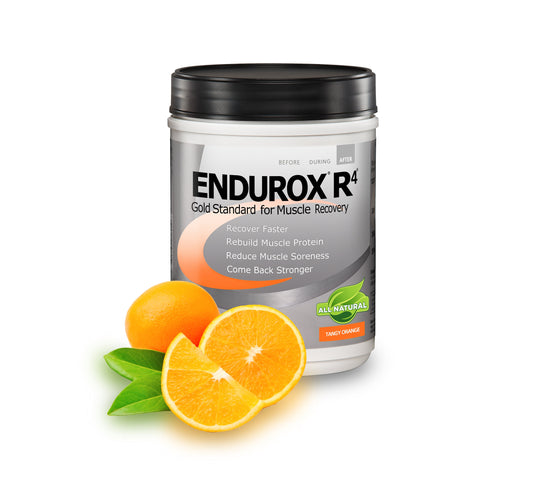
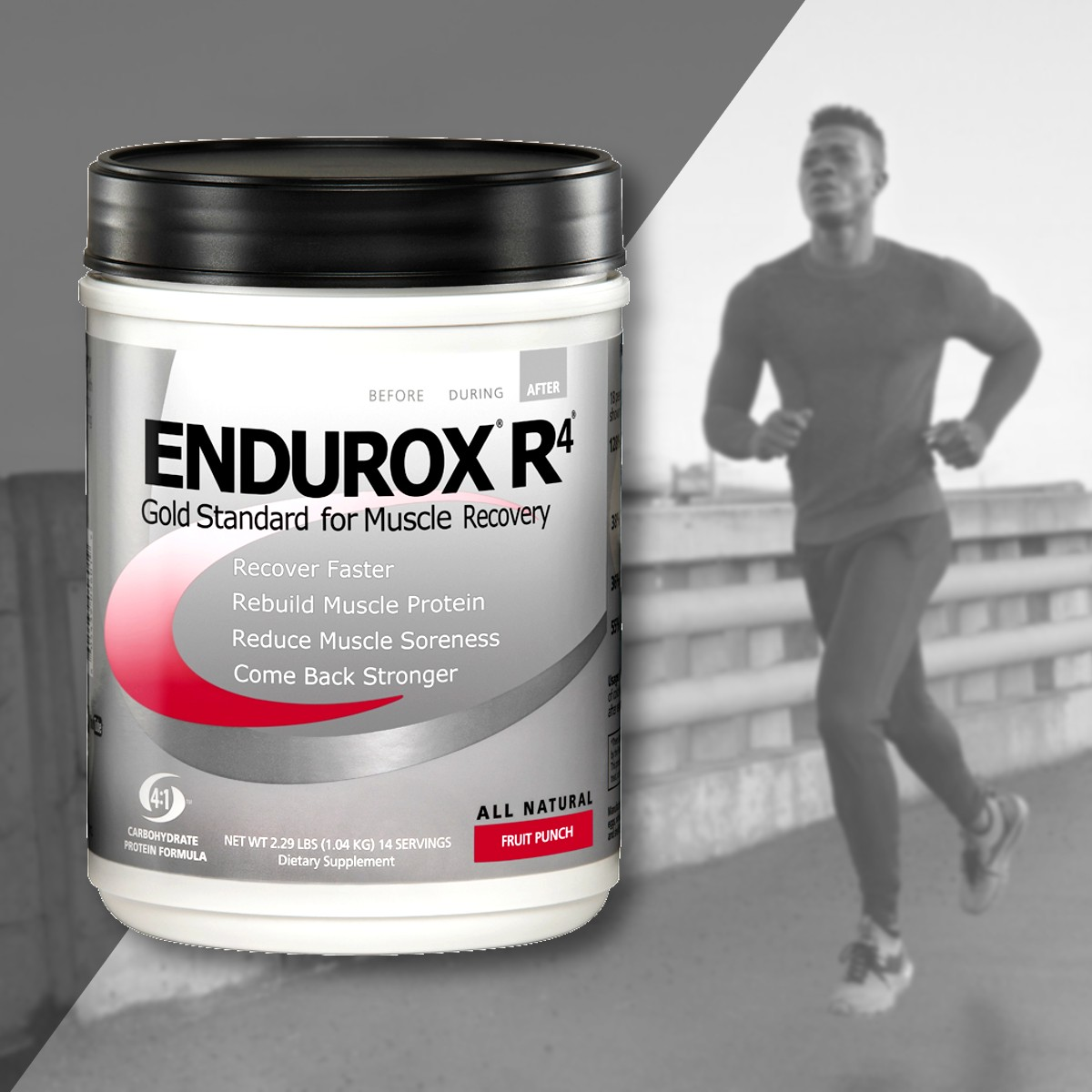
Endurox R4 ®
Regular price From $33.99Regular priceUnit price per


In the last two decades, there has been a revolution on nutrition’s role in improving exercise performance. Earlier research focused on the amount and type of nutrition
to consume when exercising.


Explore The Collections



Endurance Club
The Endurance Club is for athletes at all levels who want to get more out of their workouts and raise their training level. The mission of the Endurance Club is to provide members with the most up to date information on endurance and nutrition with a discount on all natural products proven to extend endurance and promote a faster recovery.
What Our Clients Say
-

Ruby Martinez
Lorem Ipsum is simply dummy text of the printing and typesetting industry. Lorem Ipsum has been the industry's standard dummy text
-

Carmen
Lorem Ipsum is simply dummy text of the printing and typesetting industry. Lorem Ipsum has been the industry's standard dummy text
-

Maridith
Lorem Ipsum is simply dummy text of the printing and typesetting industry. Lorem Ipsum has been the industry's standard dummy text
-
Carmen
Lorem Ipsum is simply dummy text of the printing and typesetting industry. Lorem Ipsum has been the industry's standard dummy text


Our Story

Our Founder
Dr Robert Portman is a well-known sports scientist in the United States
whose research has focused on the impact of nutrition on athletic performance
and muscle recovery.

Also Available on Amazon
Dr Robert Portman is a well-known sports scientist in the United States whose research has focused on the impact of nutrition on athletic performance and muscle recovery.
Portman Calculator
The Portman Calculator determines fluid and nutrition needs before, during and after your activity for optimum exercise performance. There are two calculators: An EXERCISE CALCULATOR that enables you to compute your needs for a wide range of activities and a TRIATHLON CALCULATOR to calculate your race course nutrition.

Blog post
Endurance Tips
View all-

LESS IS MORE...PROVEN ONCE AGAIN
Timing plays a critical role in nutrient consumption both during and post exercise. To better define the critical role of...
LESS IS MORE...PROVEN ONCE AGAIN
Timing plays a critical role in nutrient consumption both during and post exercise. To better define the critical role of...
Read more -

FOUR FUELING TIPS TO EXTEND ENDURANCE
#1. Less Is More Although your G.I. tract has the capacity to absorb 45 to 50 g of carbohydrate per...
FOUR FUELING TIPS TO EXTEND ENDURANCE
#1. Less Is More Although your G.I. tract has the capacity to absorb 45 to 50 g of carbohydrate per...
Read more -

WHY YOUR SPORTS DRINK SHOULD CONTAIN ANTIOXIDANTS
Accelerade was the first sports drink to combine carbohydrates and protein in a 4-1 ratio, electrolytes and antioxidants in a...
WHY YOUR SPORTS DRINK SHOULD CONTAIN ANTIOXIDANTS
Accelerade was the first sports drink to combine carbohydrates and protein in a 4-1 ratio, electrolytes and antioxidants in a...
Read more